
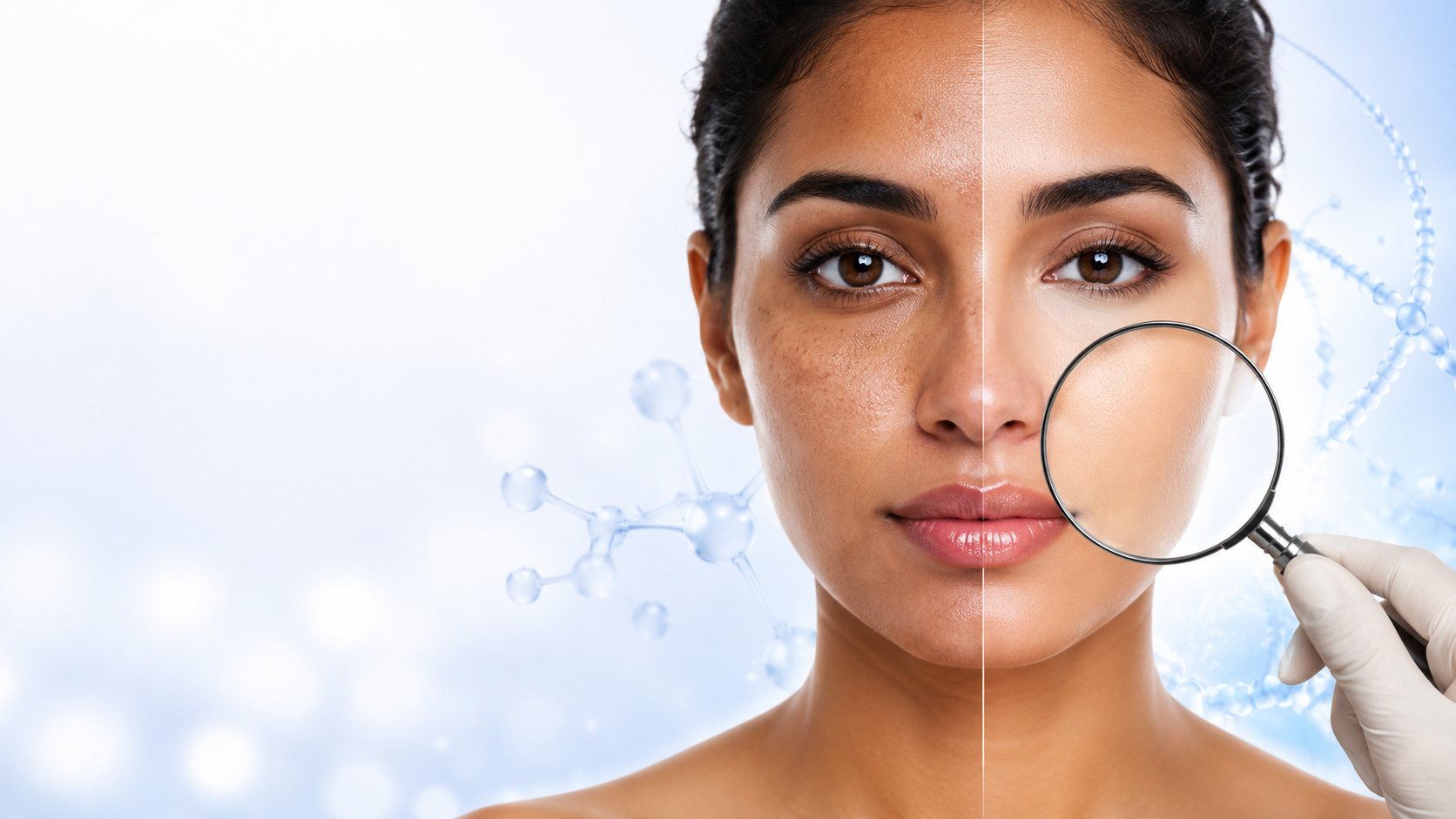
Pigmentation refers to the color of your skin, which is determined by a natural pigment called melanin. When your skin produces excess melanin in certain areas, dark patches or spots develop. This condition is known as hyperpigmentation.
Hyperpigmentation is usually harmless, but many people seek treatment for cosmetic reasons.
Contact Us for more details!
What Causes Pigmentation?
Understanding the cause is the first step in learning how to remove pigmentation effectively.
1. Sun Exposure
UV rays stimulate melanin production, leading to sunspots and uneven skin tone.
2. Acne Marks
After pimples heal, they often leave dark spots known as post-inflammatory hyperpigmentation.
3. Hormonal Changes
Hormonal fluctuations during pregnancy or while taking birth control pills may cause melasma.
4. Aging
As we grow older, pigmentation and age spots become more common.
5. Skin Injuries
Burns, cuts, eczema, and inflammation may leave pigmented marks after healing.
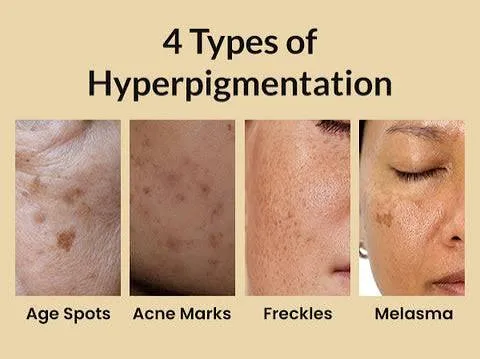
Types of Skin Pigmentation
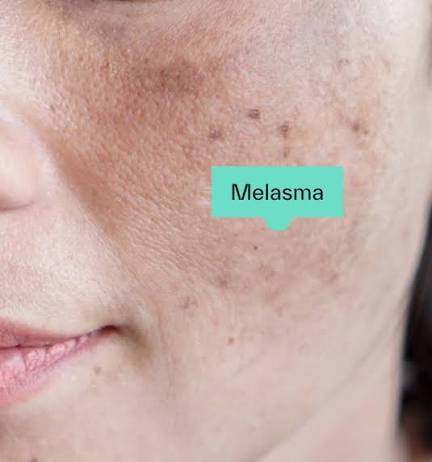
Melasma
Usually appears as brown patches on the cheeks, forehead, and upper lip.
Sunspots
Also called solar lentigines, these occur due to prolonged sun exposure.
Post-Inflammatory Hyperpigmentation (PIH)
Dark spots that develop after acne, eczema, or skin injuries.
Freckles
Small brown spots that become darker after sun exposure.

How to Remove Pigmentation Naturally
Many people prefer starting with natural methods before considering medical treatments.
Aloe Vera
Aloe vera contains compounds that may help improve skin appearance and support natural skin renewal.
Turmeric
Turmeric has antioxidant properties that may help brighten the skin when used regularly.
Vitamin C
Vitamin C is one of the most effective ingredients for reducing pigmentation and improving skin radiance.
Green Tea Extract
Rich in antioxidants, green tea may help protect the skin from environmental damage.
Healthy Diet
Eating fruits, vegetables, nuts, and drinking enough water supports healthier skin from within.
Natural remedies may take several weeks or months to show visible improvement.
Best Skincare Ingredients for Pigmentation
Choosing the right ingredients is essential if you want to know how to remove pigmentation safely.
Niacinamide
Helps reduce dark spots while strengthening the skin barrier.
Vitamin C
Brightens dull skin and protects against free radical damage.
Retinol
Speeds up skin cell turnover and gradually fades pigmentation.
Azelaic Acid
Works well for acne marks and uneven skin tone.
Kojic Acid
Often used in pigmentation creams to reduce melanin production.
Alpha Arbutin
A popular ingredient known for improving skin brightness.
Professional Treatments for Pigmentation
If home care doesn’t provide enough improvement, professional treatments may help.
Chemical Peels
Chemical peels remove damaged outer skin layers and encourage new skin growth.
Laser Therapy
Laser treatment targets excess melanin without affecting surrounding skin.
Microdermabrasion
This treatment gently exfoliates the skin to improve overall tone and texture.
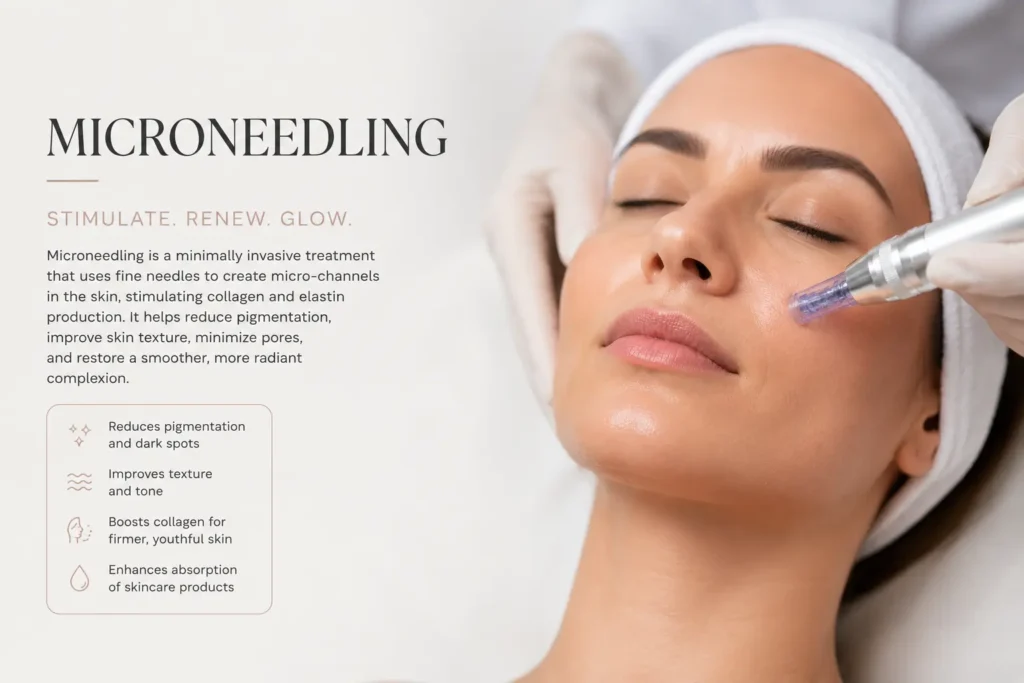
Microneedling
Microneedling stimulates collagen production and may reduce pigmentation over time. So this could be the answer to your questin How to remove pigmentation
Always consult a qualified dermatologist before choosing any cosmetic procedure.
Daily Skincare Routine to Reduce Pigmentation
Morning Routine
- Gentle cleanser
- Vitamin C serum
- Moisturizer
- Broad-spectrum sunscreen (SPF 30 or higher)
Evening Routine
- Cleanser
- Niacinamide or retinol (as tolerated)
- Moisturizer
Consistency is far more important than using many products.
How Long Does It Take to Remove Pigmentation?
The time required depends on the type and severity of pigmentation.
- Mild pigmentation: 4–8 weeks
- Moderate pigmentation: 2–4 months
- Deep pigmentation: 6 months or longer
Following a consistent skincare routine and wearing sunscreen daily significantly improves results.
Tips to Prevent Pigmentation
Wear Sunscreen Every Day
Apply SPF 30 or higher, even on cloudy days to reduce pigmentation.
Avoid Picking Pimples
Picking acne increases the risk of dark spots.
Use Gentle Skincare Products
Harsh scrubs can irritate the skin and worsen pigmentation.
Stay Hydrated
Healthy skin starts from within. So stay hydrated to get the solution of the problem How to Remove Pigmentation
Include berries, citrus fruits, leafy greens, and nuts in your meals.

Common Mistakes to Avoid
Skipping Sunscreen
Without sunscreen, pigmentation treatments become much less effective.
Using Too Many Active Ingredients
Combining strong products can irritate the skin.
Expecting Overnight Results
Pigmentation fades gradually with consistent care.
Self-Medicating
Prescription-strength creams should only be used under medical supervision.
When Should You Visit a Dermatologist?
Consult a dermatologist if:
- Pigmentation appears suddenly.
- Dark patches change in shape or color.
- Home treatments don’t improve pigmentation after several months.
- Pigmentation causes significant concern or discomfort.
Related Resources
You may also find these pages helpful:
- Internal Link: Read our Skincare Products page for dermatologist-formulated skincare solutions. (Replace with your website URL.)
- Internal Link: Visit our Contact Us page to consult our skincare experts. (Replace with your website URL.)
For additional medical information, refer to:
- American Academy of Dermatology: https://www.aad.org
- NHS Skin Conditions: https://www.nhs.uk
Conclusion
If you’re wondering how to remove pigmentation, remember that there is no one-size-fits-all solution. The best approach depends on the underlying cause, your skin type, and the severity of the pigmentation.
A combination of daily sunscreen, effective skincare ingredients like Vitamin C and niacinamide, healthy lifestyle habits, and professional advice when needed can significantly improve your skin over time. Be patient, stay consistent, and avoid harsh treatments that may damage your skin.
Healthy, even-toned skin is a gradual journey—not an overnight transformation.
Frequently Asked Questions (FAQs)
1. Can pigmentation be removed permanently?
Some pigmentation can fade completely, while other types may return if the underlying cause, such as sun exposure or hormonal changes, is not managed.
2. What is the fastest way to remove pigmentation?
Professional treatments like laser therapy and chemical peels usually provide faster results than home remedies, but they should be performed by qualified professionals.
3. Which cream is best for pigmentation?
Products containing Vitamin C, niacinamide, alpha arbutin, azelaic acid, or kojic acid are commonly used to improve pigmentation. Consult a dermatologist before using prescription-strength products.
4. Does sunscreen help reduce pigmentation?
Yes. Sunscreen prevents existing pigmentation from becoming darker and helps treatment products work more effectively.
5. Can pigmentation disappear naturally?
Some post-inflammatory pigmentation fades gradually over time, but deeper pigmentation often requires targeted skincare or professional treatment.
6. Is Vitamin C good for pigmentation?
Yes. Vitamin C is one of the most effective skincare ingredients for improving uneven skin tone and reducing dark spots.
7. Can drinking water remove pigmentation?
Water alone will not remove pigmentation, but staying hydrated supports healthy skin function.
8. How can I prevent pigmentation from coming back?
Wear sunscreen daily, avoid excessive sun exposure, follow a gentle skincare routine, and treat acne promptly to reduce the risk of new dark spots.